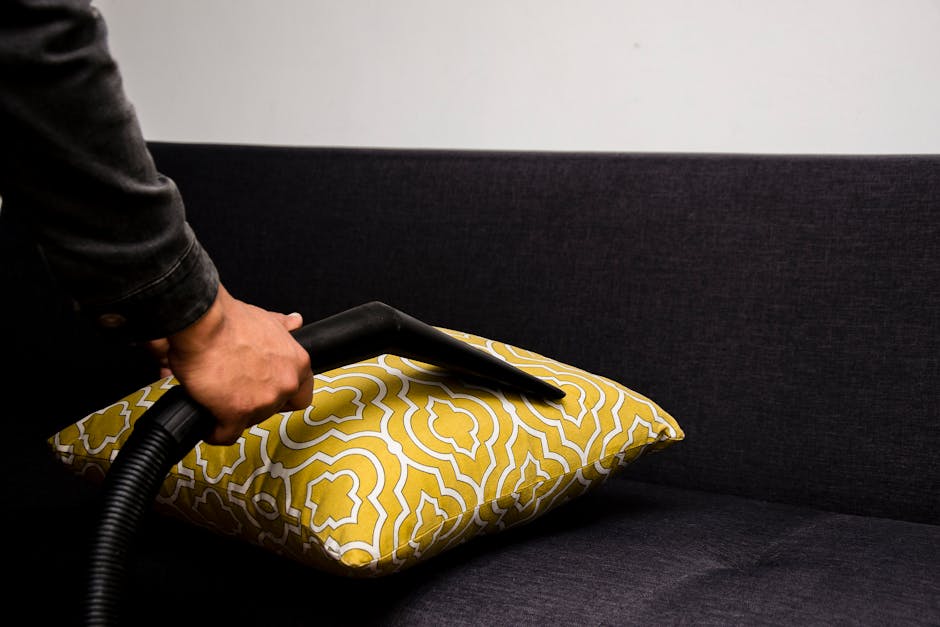
Earls Court Road upholstery cleaning for Brompton homes
If you live in Brompton and your sofa, armchair, or dining chairs have started looking a bit tired, you are not alone. Daily life leaves a mark: coffee rings, pet hair, dust, the odd food spill, and that dull grey look that seems to appear out of nowhere. Earls Court Road upholstery cleaning for Brompton homes is really about restoring comfort, hygiene, and the appearance of the furniture you use every single day.
This guide explains how upholstery cleaning works, when it makes sense, what results to expect, and how to avoid common mistakes that can damage fabric or leave residue behind. It also covers practical decision-making points, local expectations, and a simple checklist you can use before booking. To be fair, most people only think about upholstery once it starts looking visibly grubby. By then, a proper clean can make a surprisingly big difference.
For readers comparing related services, it can help to understand how upholstery care fits alongside sofa cleaning, rug cleaning, and broader deep cleaning for the home.
Table of Contents
- Why Earls Court Road upholstery cleaning for Brompton homes Matters
- How Earls Court Road upholstery cleaning for Brompton homes Works
- Key Benefits and Practical Advantages
- Who This Is For and When It Makes Sense
- Step-by-Step Guidance
- Expert Tips for Better Results
- Common Mistakes to Avoid
- Tools, Resources and Recommendations
- Law, Compliance, Standards, or Best Practice
- Options, Methods, or Comparison Table
- Case Study or Real-World Example
- Practical Checklist
- Conclusion
- Frequently Asked Questions
Why Earls Court Road upholstery cleaning for Brompton homes Matters
Upholstery is one of those things that quietly shapes how a home feels. A clean sofa can make a sitting room feel calm and cared for; a stained one can make the whole space look a bit neglected, even if everything else is spotless. In Brompton homes, where space is often used hard and furniture tends to be chosen for comfort and style, proper cleaning matters for both appearance and longevity.
Upholstery also traps dust, body oils, crumbs, allergens, and everyday grime. That does not mean your furniture is dirty in a dramatic sense. It just means fabric behaves like a sponge. Left too long, this buildup can flatten fibres, dull colours, and create smells that are hard to shift with surface wiping alone.
The other reason it matters is fabric sensitivity. London homes often contain a mix of materials: cotton blends, linen-look fabrics, velvet, wool mixes, synthetic fibres, and occasional leather or faux leather pieces. Each one needs a slightly different approach. Use the wrong cleaner and, well, you can turn a small stain into a larger, permanent-looking patch. Not ideal.
There is also a practical side for households with children, pets, guests, or regular entertaining. Chairs used at the dining table, a favourite reading armchair by the window, or a sofa that doubles as the family's landing zone all benefit from regular maintenance. A good clean helps the home feel fresher without needing to replace furniture that still has years left in it.
For many homeowners, upholstery cleaning sits alongside other household services such as domestic cleaning and house cleaning, because it fills the gap between routine tidying and more intensive restoration work.
How Earls Court Road upholstery cleaning for Brompton homes Works
Professional upholstery cleaning usually begins with identification. That sounds basic, but it is the important bit. A technician should look at the fabric type, the construction of the furniture, the level of soiling, and any visible stains before choosing a method. If a fabric is labelled or known to be water-sensitive, the clean needs to be adjusted. No shortcuts.
In most cases, the process follows a few familiar stages:
- Inspection: The cleaner checks fabric type, colourfastness risk, stains, and wear.
- Dry soil removal: Loose dust and debris are removed first, often with thorough vacuuming and detailing around seams.
- Spot treatment: Stains are pre-treated with suitable products based on the material and the stain type.
- Main cleaning: A suitable method is used, such as low-moisture extraction, controlled hot-water extraction, or specialist fabric cleaning.
- Rinse or residue removal: Cleaning agents are lifted or neutralised so the fabric does not feel sticky afterward.
- Drying and grooming: The fabric is set out to dry properly, and fibres may be brushed or reset for a neater finish.
The exact method depends on the furniture. A deep-buttoned armchair, for example, may need more detail work than a flat-weave two-seater. Velvet also behaves differently from a more forgiving synthetic fabric. That is why a one-size-fits-all approach can be risky.
In real homes, the best results usually come from a measured process rather than an aggressive one. The goal is not just to make fabric look brighter for an hour. It is to clean it safely, reduce residue, and leave it looking and feeling healthier over the long term.
If you want to see how upholstery care fits within a wider cleaning plan, the broader approach on upholstery cleaning can be useful background before booking a visit.
Key Benefits and Practical Advantages
People often think the only benefit is appearance, but that is just the obvious part. A proper clean has several practical upsides, and some are easier to appreciate after the fact.
- Better appearance: Colours look fresher, fabric looks more even, and marks are less distracting.
- Improved comfort: Clean upholstery feels nicer to sit on, especially when dust and residues are removed.
- Odour reduction: Everyday smells from cooking, pets, or general use can cling to fabric.
- Longer furniture life: Dirt acts like fine grit and can wear fibres over time.
- Allergen management: While not a medical treatment, thorough cleaning can help reduce dust buildup in fabric.
- Better presentation: Useful when you are hosting guests, preparing for sale, or simply want the home to feel more cared for.
There is a hidden benefit too: it can change how you use a room. Once a sofa no longer feels grubby, people tend to relax into the space again. You notice it on a Sunday afternoon, when the room suddenly feels lighter and less tired. Small thing, perhaps, but a real one.
For homes that also need broader resets, upholstery cleaning can be paired sensibly with one-off cleaning or even window cleaning if the goal is to brighten the whole property at once.
Who This Is For and When It Makes Sense
This service makes sense for a wide range of Brompton households, but especially for people in the following situations:
- families with young children where spills happen regularly
- pet owners dealing with hair, odour, or muddy paws
- homeowners with light-coloured fabrics that show marks easily
- renters who want to leave furniture in better condition
- anyone noticing flat, dull, or patchy-looking upholstery
- households preparing for guests, photos, or a sale
It also makes sense after certain events: a long winter of closed windows, an accidental drink spill, a seasonal refresh, or a renovation where dust has settled into soft furnishings. If builders have been in and the room has that faint powdery feel, combining the work with after builders cleaning may be the sensible route.
Sometimes the issue is less about visible staining and more about the room feeling stale. That is a perfectly valid reason to book a clean. You do not need to wait until the fabric looks dreadful. In fact, earlier intervention is usually cheaper and safer.
Truth be told, if you are asking yourself whether the sofa looks "a bit off", it probably does. Most people notice before they want to admit it.
Step-by-Step Guidance
If you are planning upholstery cleaning in or around Brompton, this is the most practical way to approach it.
1. Check the fabric type
Look for care labels or any manufacturer guidance if you have it. The cleaning method needs to suit the fibre. Water-sensitive materials should be handled with caution, and delicate fabrics may need low-moisture treatment or specialist products.
2. Identify the real problem
Is it a visible stain, general dullness, pet odour, or just everyday build-up? This matters because stain removal is not the same as full restoration cleaning. A wine mark and a grease patch need different handling. So does a sofa that simply needs a refresh.
3. Prepare the room
Move small items, clear cushions where possible, and make access easy. It sounds obvious, but a bit of preparation saves time and reduces the risk of accidents. Keep the area ventilated if you can.
4. Ask about the cleaning method
Good providers will explain whether they are using extraction, dry cleaning, foam, or another approach. If the answer is vague, ask again. Clear explanation is a good sign. Over-complicated jargon usually is not.
5. Test before treating
A careful cleaner should test a small hidden area first. This helps confirm that the fabric reacts well and reduces the chance of colour bleed or watermarking.
6. Allow proper drying time
Drying is part of the service, not an afterthought. Keep windows open where practical and avoid heavy use until the fabric is properly dry. Sitting on it too soon can flatten the fibres again and slow the finish.
7. Follow up with maintenance
Once the upholstery is clean, regular vacuuming and quick attention to fresh spills make a big difference. It is a bit like teeth cleaning, really. The deep clean helps most when you look after the result.
Expert Tips for Better Results
There are a few habits that consistently improve outcomes, and they are often the difference between "fine" and "properly refreshed".
- Act quickly on spills: Blot, do not rub. Rubbing pushes the stain deeper and roughs up the fibres.
- Vacuum regularly: Even a quick weekly vacuum removes grit that slowly wears fabric.
- Watch for over-wetting: Too much moisture can create marks, slow drying, or leave odours behind.
- Ask about residue: Some cheap products leave sticky cleaners behind that attract more soil later.
- Be careful with DIY sprays: That "quick fix" from the cupboard can sometimes make a stain harder to remove. Honestly, it happens all the time.
- Match the method to the fibre: Delicate fabric is not the place for brute force.
A practical local observation: many Brompton homes have compact living spaces, which means furniture gets used intensively. A sofa may function as seating, dining spill zone, reading nook, and occasional workbench. In homes like that, upholstery benefits from more regular care than people expect.
One more thing. If a fabric already looks worn, cleaning can improve it, but it cannot reverse physical wear like pilling, thinning, or sun damage. Good professionals will say that plainly rather than promising magic. That honesty matters.
Common Mistakes to Avoid
Upholstery cleaning goes wrong most often when people rush the process or assume all fabrics can be treated the same way.
- Using too much water: This can leave rings, slow drying, and create a musty smell.
- Scrubbing stains aggressively: Scrubbing can spread the stain and damage the pile.
- Skipping the test patch: A tiny test area can prevent a much bigger problem.
- Ignoring the fabric label: The label exists for a reason, even if it is a bit faded or awkward to find.
- Leaving residue behind: Sticky cleaner attracts more dirt.
- Expecting every mark to disappear: Some old stains are permanently altered in the fibres. Better to set realistic expectations.
A common mistake in busy homes is to keep reusing a favourite seat while the fabric is still damp after a DIY clean. The result can be compressed fibres and patchy drying. Not catastrophic, just annoying. But avoidable.
Tools, Resources and Recommendations
You do not need a van full of kit to care for upholstery at home, but a few sensible tools help keep furniture in better shape between professional visits.
- Vacuum cleaner with upholstery attachment: Useful for seams, creases, and under cushions.
- Soft brush: Helps lift dust before vacuuming and can reset fibres gently after cleaning.
- Clean white cloths: Handy for blotting spills without transferring dye.
- Fabric-safe spot cleaner: Only if suitable for the material and used carefully.
- Fan or open-window drying: Improves airflow after a clean.
As for professional services, look for a cleaning company that explains its process clearly, offers proper fabric assessment, and gives realistic guidance about drying and stain removal. If you want a broader home reset, a reliable team of cleaners can often coordinate multiple tasks in one visit, which saves time and a bit of faff.
It is also sensible to ask about insurance and safety before any work starts, especially where delicate furnishings, water-sensitive fabrics, or access challenges are involved.
Law, Compliance, Standards, or Best Practice
While upholstery cleaning is not one of the more heavily regulated household services, there are still sensible expectations around safety, treatment of property, and honest service delivery. In the UK, good providers should work carefully, use suitable products, and take reasonable steps to avoid damage or unsafe conditions.
From a homeowner's point of view, the main best-practice checks are straightforward:
- clear explanation of the method being used
- appropriate caution around fragile fabrics
- safe use and storage of cleaning chemicals
- reasonable steps to protect flooring and nearby furnishings
- transparent service terms and pricing expectations
If you are comparing providers, it can also help to review their health and safety policy and terms and conditions. Those pages give a better sense of how the business handles risk, cancellations, and service boundaries. That is the sort of thing people often skip until there is a problem. Better not to.
For anyone concerned about payments, security, or privacy, useful supporting pages include payment and security and privacy policy. Small details, yes, but they help build trust.
Options, Methods, or Comparison Table
Different upholstery types and cleaning aims call for different methods. Here is a simple comparison to help you think it through.
| Method | Best for | Strengths | Watch-outs |
|---|---|---|---|
| Hot-water extraction | Many synthetic fabrics and deeply soiled seating | Thorough soil removal, fresh finish | Not ideal for all delicate materials; drying time matters |
| Low-moisture cleaning | Sensitive fabrics, lighter refreshes, faster turnaround | Less drying time, reduced moisture risk | May not suit heavy staining or very deep soil |
| Foam or specialist fabric cleaning | Certain delicate or structured pieces | Gentler treatment, controlled application | Needs careful product choice and technique |
| Spot treatment only | Small, isolated marks | Quick and targeted | Not a substitute for a full clean if the furniture is generally dirty |
The right option is not always the strongest one. It is the one that suits the fabric and the condition of the furniture. A gentle method done properly is usually better than a heavy-handed clean that over-wets the upholstery and leaves you with a longer drying headache.
Case Study or Real-World Example
Here is a realistic example from a typical Brompton home, without turning it into a dramatic story. A family had a three-seat sofa and two dining chairs that had gradually gone from cream to "not quite cream anymore". Nothing shocking. Just everyday build-up, a couple of food marks, and a faint smell that lingered after winter.
They did not need replacement furniture. What they needed was careful assessment, targeted stain treatment, and a method that respected the fabric. The cleaner tested a hidden area, pre-treated the visible marks, worked the main surfaces evenly, and paid special attention to the arms and seat cushions where body oils had built up most. After drying, the whole room looked brighter, not just cleaner. That is the difference people notice.
What stood out most was not that every stain vanished. A couple of older marks remained faintly visible, which is normal. The bigger win was the overall freshness, the better texture of the fabric, and the way the room felt more welcoming again. The homeowner later said the sofa no longer felt like something they were apologising for when guests arrived. Small reliefs like that matter more than people admit.
That example also shows why realistic expectations are useful. Upholstery cleaning is powerful, but it is still fabric care, not sorcery. A sensible service will tell you the difference between likely improvement and unlikely miracle. Helpful, and refreshingly honest.
Practical Checklist
Use this checklist before you book or carry out upholstery cleaning.
- Check the furniture fabric or care label if available
- Identify the main problem: stains, odour, dullness, or general soil
- Decide whether you need one item cleaned or several pieces at once
- Ask how the cleaner tests fabric safety
- Confirm the likely drying time
- Move fragile items and make access easy
- Ask what happens if a stain cannot be fully removed
- Review pricing and the basic service terms
- Keep pets and children away during the cleaning and drying period
- Plan for ventilation after the work is done
If you want a broader refresh for the same visit, you might also consider carpet cleaning or even one-off cleaning so the home feels consistent from room to room.
Get a free quote today and see how much you can save.
Conclusion
Earls Court Road upholstery cleaning for Brompton homes is less about chasing perfection and more about keeping the furniture that supports daily life in good, comfortable condition. A careful clean can lift a room, reduce lingering odours, improve hygiene, and help your favourite pieces last longer. It is practical, not flashy. But it makes the home feel better, and that is often enough.
If you choose a provider, look for clear explanations, sensible fabric care, and a calm approach rather than big promises. The best results usually come from matching the method to the material and giving the work the time it needs to dry properly. Simple, really.
And once the room feels fresh again, you notice the difference every time you walk in. That quiet, lighter feeling? Hard to beat.
Frequently Asked Questions
How often should upholstery be professionally cleaned in a Brompton home?
It depends on usage, fabric type, pets, children, and whether the furniture gets heavy daily use. Many households benefit from periodic cleaning before the fabric looks obviously dirty, because buildup is easier to manage early.
Can upholstery cleaning remove old stains?
Sometimes, yes, but not always fully. The result depends on the stain type, how long it has set, the fabric, and any previous DIY attempts. A good cleaner will usually explain the likely outcome before starting.
Is upholstery cleaning safe for delicate fabrics?
It can be, if the method is chosen carefully. Delicate fabrics need testing, controlled moisture, and the right products. This is where experience matters more than speed.
How long does upholstery take to dry?
Drying time varies by fabric, method, room ventilation, and how much moisture was used. Low-moisture cleaning is often quicker, while extraction methods can take longer. Proper airflow makes a real difference.
Will cleaning remove pet smells from furniture?
It often helps a lot, especially when the odour comes from general buildup, hair, and absorbed residue. Strong or long-standing smells may need deeper treatment, and results will depend on the material.
Should I vacuum upholstery before the cleaner arrives?
If you can do so gently, yes. Removing loose dust and crumbs helps the main cleaning process. Just avoid heavy scrubbing or trying to pre-treat stains with random products.
What is the difference between sofa cleaning and upholstery cleaning?
Sofa cleaning is more specific to sofas, while upholstery cleaning covers sofas, armchairs, dining chairs, footstools, headboards, and other fabric-covered furniture. The methods can overlap, but the scope is wider with upholstery cleaning.
Can upholstery cleaning damage fabric?
It can if the wrong method or product is used, or if the fabric is over-wet. That is why inspection and test patches matter. A careful process greatly reduces the risk.
Is it worth cleaning furniture that still looks okay?
Usually, yes. Furniture can look acceptable at a glance while still holding dust, body oils, and odours. Cleaning can refresh the whole room and help the fabric last longer.
Do I need to leave the house during upholstery cleaning?
Usually not, unless access, ventilation, or drying considerations make it impractical. Many homeowners stay in the property, though they may avoid using the cleaned furniture until it is dry.
How do I choose a good upholstery cleaner?
Look for clear communication, fabric knowledge, realistic expectations, and sensible safety practices. It also helps if the business offers transparent information on topics such as pricing and quotes and about us, because that usually signals a more considered service.
Can upholstery cleaning be combined with other home services?
Yes, and often that is the most efficient approach. People commonly combine it with house cleaning, deep cleaning, or window cleaning when they want the home to feel properly reset rather than partially refreshed.